Tracing Pathways from Initial Access to Sustained Participation in Multi-Game Digital Platforms Through Structured Reward Systems
Written by Vera Müller · Oct 23, 2026
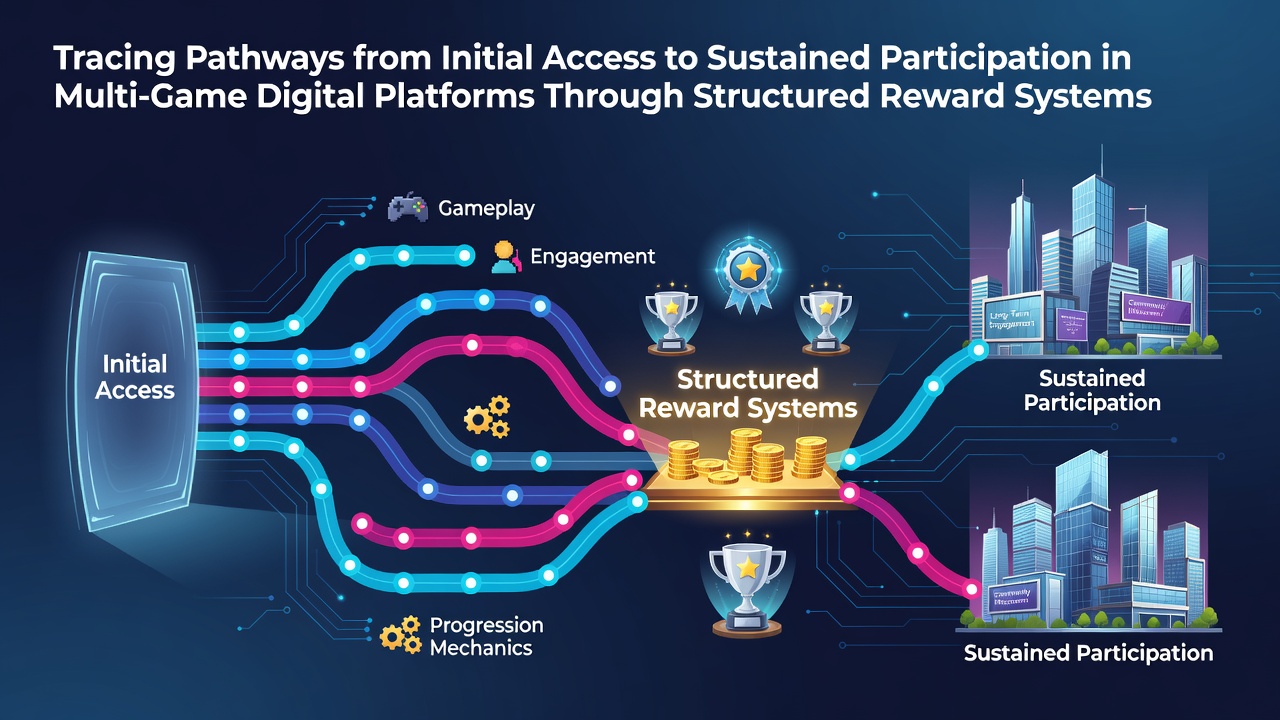
Tracing Pathways from Initial Access to Sustained Participation in Multi-Game Digital Platforms Through Structured Reward Systems
Multi-game digital platforms rely on structured reward systems to guide users from first entry points toward ongoing involvement, and researchers have mapped these sequences across various applications that combine multiple titles under one ecosystem. Initial access often begins with free entry mechanisms such as tutorial completions or basic sign-ups, which deliver immediate credits or points that unlock core features without requiring payment. Data from platform analytics in October 2026 indicate that users who receive these entry-level rewards show higher rates of returning within the first 24 hours compared to those who encounter paywalls immediately.
Entry Mechanisms and Early Reward Structures
Platforms structure their onboarding around progressive tiers where small achievements accumulate into larger benefits, and this design draws from behavioral tracking that records how new participants interact with each game variant. One study from the University of Sydney's Digital Media Research Centre found that reward sequences combining daily login bonuses with cross-game challenges increased session lengths by measurable margins in multi-title environments. Users move through these stages when systems award points for actions like completing introductory levels or inviting contacts, and those points convert into in-app currency usable across different game modes.
Tracking Progression Through Data Patterns
Analytics teams monitor conversion rates from trial modes to active accounts by logging every reward redemption, while figures from the Interactive Games and Entertainment Association reveal that platforms integrating synchronized rewards across devices maintained steadier participation curves during late 2026. Observers note that when rewards align with user milestones, such as reaching level thresholds in one game that unlock bonuses in another, retention extends beyond the initial week. Platforms collect this information through embedded metrics that follow individual pathways without aggregating personal details beyond aggregate trends.
Transition Points from Access to Ongoing Use
Structured systems create natural transition points where introductory incentives give way to sustained loops, and these shifts occur when accumulated rewards reach values that support continued play without additional deposits. In October 2026 reports from platform operators, users who accumulated rewards across three or more game formats demonstrated longer average lifetimes on the application than single-game participants. The process involves escalating challenges that tie rewards to social features or competitive events, prompting repeated visits as participants aim for tiered status levels visible to others in the community.
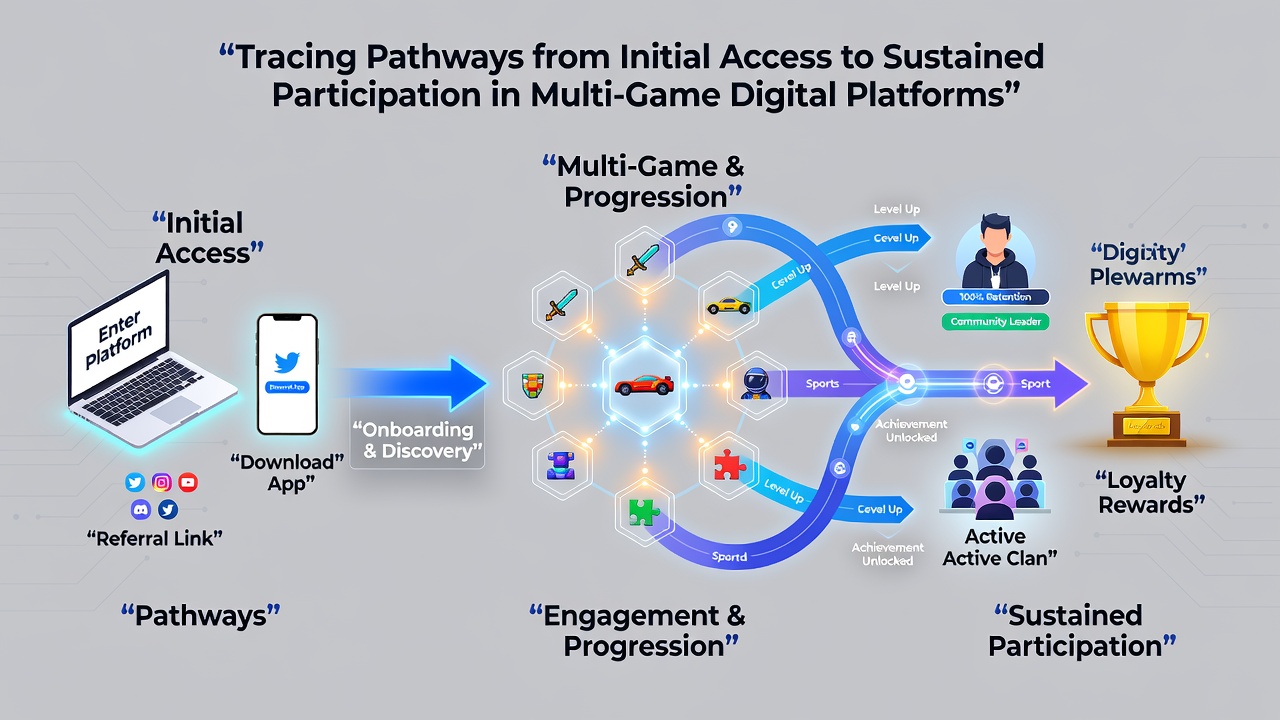
Cross-platform synchronization plays a direct role here because rewards earned on mobile devices carry over to desktop sessions, and this continuity reduces drop-off rates according to logs maintained by major operators. People who study these ecosystems point to examples where limited-time events tied to reward multipliers accelerated movement from casual entry to habitual use, with participation metrics rising steadily through the fall months of 2026. The design avoids abrupt changes by spacing reward deliveries to match typical user return intervals, creating predictable patterns that support extended involvement.
Role of Multi-Game Integration in Retention
Multi-game setups amplify reward effectiveness because participants can switch titles while carrying forward progress, and this flexibility keeps engagement high even when interest in one specific game wanes. Research published through the Canadian Gaming Association documented how reward systems that link achievements across genres produced broader activity distributions, with users exploring new titles rather than abandoning the platform. In practice, these integrations appear in leaderboards that span all available games, turning individual accomplishments into platform-wide status that encourages ongoing returns.
Measurement of Sustained Participation Metrics
Platform operators track sustained participation through metrics such as weekly active users segmented by reward tier, and October 2026 data sets showed consistent growth in higher tiers when systems refreshed rewards on predictable schedules. External analyses from academic groups have examined how these structures influence time spent, revealing that users who engage with at least two reward categories per session maintain connections longer than those limited to single pathways. The evidence comes from anonymized session logs that capture entry points, reward redemptions, and exit behaviors across thousands of accounts.
Conclusion
Structured reward systems in multi-game digital platforms establish clear sequences that begin with accessible entry rewards and extend into layered benefits supporting continued activity, and comprehensive tracking in 2026 confirms these pathways operate through synchronized mechanics across devices and titles. Organizations ranging from university research centers to industry associations continue to document how initial incentives scale into sustained loops when integration remains consistent. The resulting patterns provide measurable indicators of user movement that platforms refine through ongoing data review.